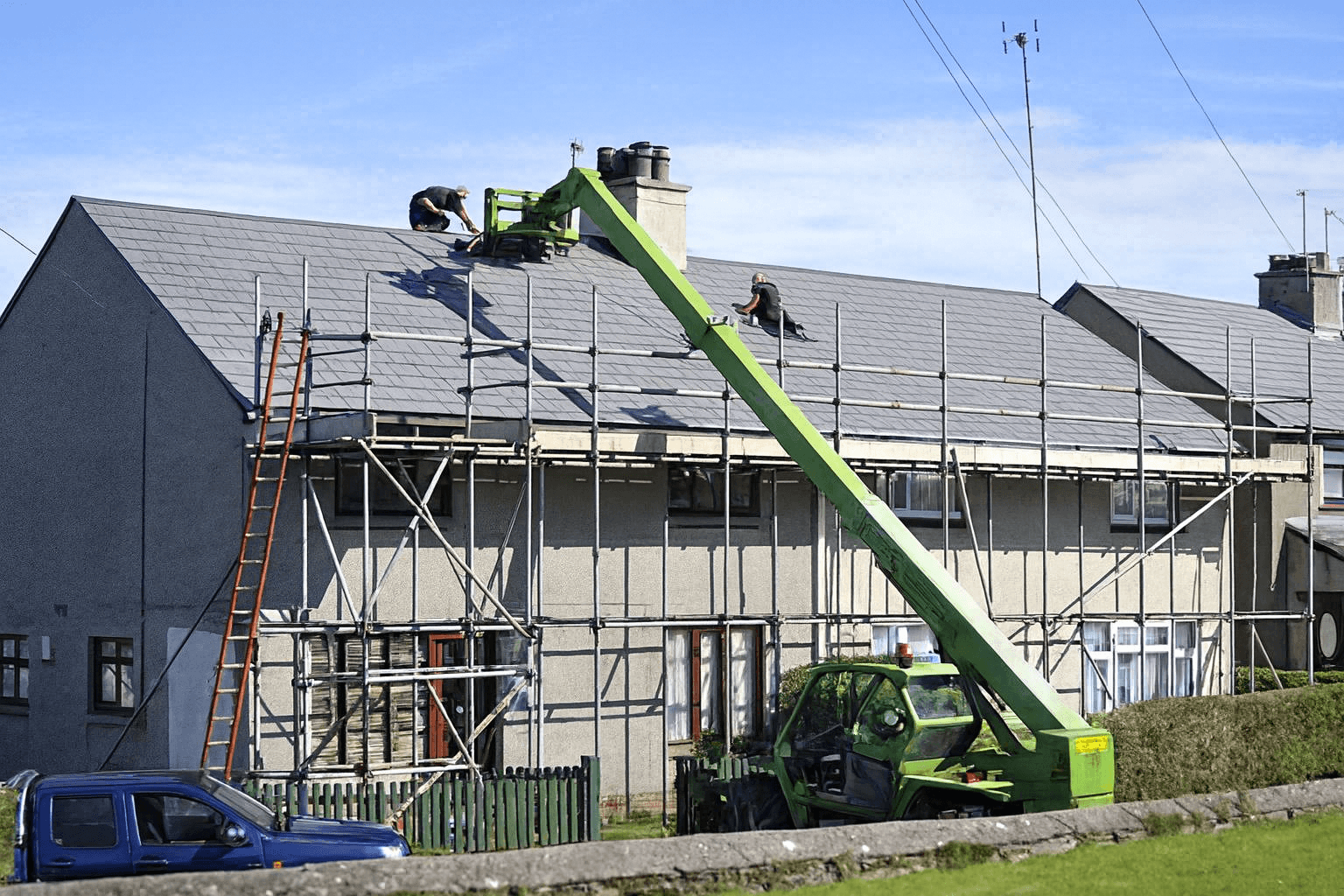
Why Tapered Insulation Design Should Be Handled by a Specialist (Not Your Crew)
Why Tapered Insulation Design Should Be Handled by a Specialist (Not Your Crew)
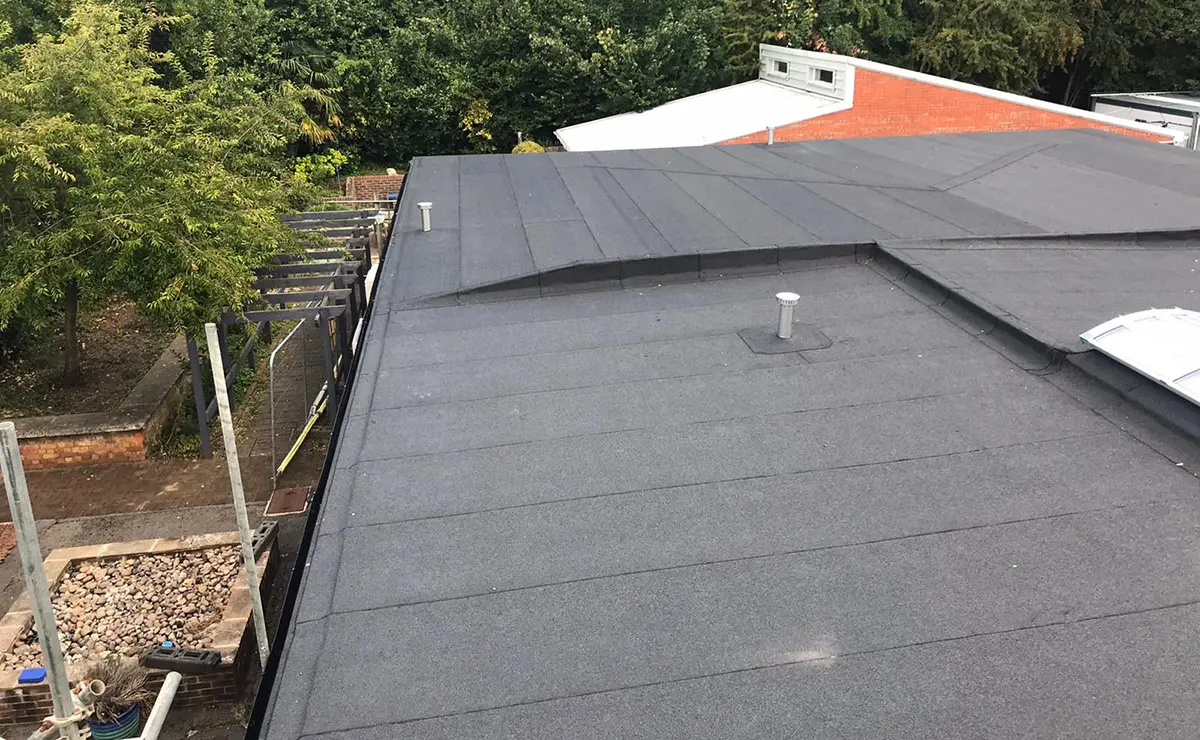
Nov 11, 2025
Summary
Tapered insulation systems are the backbone of flat roof drainage — the single factor that determines whether a roof lasts 20 years or fails in 5. Yet many roofing crews treat tapered ISO as something that can be “figured out on site,” leading to ponding, membrane failures, warranty voids, and costly callbacks for general contractors. This blog explains why tapered insulation should always be designed by a specialist, not by field crews or general laborers. With Indiana’s harsh winters and strict drainage requirements, getting tapered design right is non-negotiable for long-term performance.
Introduction: Drainage Is the #1 Factor That Determines a Roof’s Lifespan
Every flat roof has one unavoidable enemy: standing water.
Ponding water destroys commercial roofs faster than UV, foot traffic, or even poor flashing. In Indiana, where freeze–thaw cycles magnify water-related damage, flat roofs that drain poorly fail significantly faster than properly designed systems.
The root of all drainage success (or failure) is tapered insulation design.
But here’s the problem:
Most roofing crews don’t have the training, engineering background, or manufacturer knowledge required to design proper tapered systems. And when general contractors rely on these crews to “add slope” or “figure it out,” the result is almost always ponding — which becomes the GC’s headache long after the crew is gone.
This blog breaks down why tapered insulation must always be designed by a specialist, and why relying on field crews is one of the most expensive mistakes a contractor can make.
Section 1: What Tapered Insulation Actually Is (Most Crews Don’t Fully Understand It)
Many people assume tapered insulation is simply polyiso cut at an angle to help move water. In reality, it is a full engineered drainage system.
A tapered system includes:
Flat ISO panels
Tapered panels in multiple slopes (1/8”, ¼”, ½”)
Crickets and saddles
Drain sumps
Transitions and high points
Flow lines directing water to drains or scuppers
This is NOT something field crews can improvise without creating flat spots.
Tapered is geometry and hydrology — not guesswork.
Why crews often misunderstand tapered systems
They confuse adding slope with designing drainage pathways
They do not consider how water flows around curbs, penetrations, or large HVAC units
They lack the calculations needed to meet code
They underestimate how slope changes affect membrane installation
When water gets trapped because of poor layout, the roof fails. Period.
Section 2: Tapered Systems Require Engineering-Level Layout and Calculations
A proper tapered insulation system requires far more than intuition. It involves:
Calculating slope direction
Mapping flow lines
Ensuring even distribution across drains
Coordinating high and low points
Designing crickets behind rooftop units
Managing transitions between slopes
Considering roof size, shape, and penetrations
This is why specialists use CAD software, manufacturer tools, and slope analysis to create accurate tapered layouts.
Crew limitations
Field crew members:
Guess slopes instead of calculating them
Cut panels incorrectly
Miss critical slope transitions
Create unintended low spots
Misalign crickets
Fail to account for drainage around mechanical units
These errors aren’t always visible on installation day — but they show up after the first storm.
Section 3: Code Requirements That Must Be Designed — Not Eyeballed
Indiana Building Code requires minimum roof slopes and specific drainage compliance.
Specialists understand:
Minimum slope of ¼” per foot
Proper drain spacing
Overflow scupper sizing
Maximum ponding time
Sump depth and placement
Wind uplift fastening at slope transitions
Fire and energy code insulation requirements
Crews simply do not have the training to make these decisions.
What happens when crews “guess” tapered design
Failed inspections
Incorrect drainage paths
Roofs that don’t meet minimum slope requirements
Need for expensive rework
Warranty denial from manufacturers
A GC’s schedule and budget suffer most when the roof fails inspection — and tapered errors are a top cause.
Section 4: Manufacturer Specifications Require Precise Tapered Layouts
Every major manufacturer requires an approved tapered insulation layout for warranty eligibility. They use these layouts to confirm:
Correct slope
Proper insulation build-up
Suitable fastening patterns
Drainage pathways
Compliance with assembly type
Compatibility with membrane (TPO, PVC, EPDM)
Consequences of skipping specialist tapered design
Incorrect slopes cause ponding
Insufficient insulation reduces energy performance
Improper fastening leads to blow-offs
Warranties become invalid
Roof life decreases significantly
Manufacturers know tapered design is too critical to leave to guesswork — which is why they won’t warranty a roof installed without approved plans.
Section 5: Poor Tapered Design Creates Long-Term Problems for GCs
Even when it looks correct during installation, poorly designed tapered insulation becomes a slow-building problem for general contractors.
Long-term issues
Ponding water that lasts more than 48 hours
Ice formation in winter that splits seams
Membrane shrinkage
Premature membrane cracking due to constant exposure
Water infiltration under flashings
HVAC unit ice dams causing leaks
Insulation saturation and mold growth
Corrosion of metal decking
These failures often appear months or years later, long after the crew that installed the roof is off the job.
But building owners rarely blame the subcontractor.
They blame the contractor who hired them.
Section 6: Why Only Specialists Should Design Tapered Systems
Tapered specialists use:
CAD drawings
3D slope modeling
Manufacturer templates
Roof drainage engineering principles
A specialist provides:
Exact layout diagrams
Precise slopes across the roof
Cricket and valley geometry
Drain location optimization
Insulation thickness calculations
Material quantity and cost accuracy
Manufacturer-approved layouts
Faster installation through clarity
Benefits for general contractors
Less field confusion
Fewer change orders
Faster installation times
Reduced material waste
Lower risk of rework
Stronger warranty protections
Much lower risk of failures
A tapered specialist is the difference between a roof that drains — and one that dies early.
Section 7: How to Work With a Tapered Insulation Specialist
Hiring a specialist doesn’t complicate your workflow — it improves it.
What GCs should require
Full tapered layout drawings
Manufacturer approval before installation
Drainage flow diagrams
Crickets and saddles clearly marked
Penetration detailing
On-site coordination with your roofing sub
How they integrate into your project
They communicate directly with the roofing subcontractor
They coordinate with architects and engineers
They deliver documentation for inspections
They help ensure warranty eligibility
This is a strategic partnership — not just an added step.
Section 8: Red Flags That Your Crew — or Subcontractor — Is Guessing
Here’s how you know a roofing sub is winging it:
No CAD tapered layout
No cricket drawings
No drainage plan
They ask, “Where do you want the water to go?”
No measurements taken
Relying on hand-cut taper pieces
Laying panels flat and adjusting later
Claiming “water will find its way”
No plan for crickets behind HVAC units
These are major warnings that your roofer is not qualified to handle slope design.
Conclusion: Tapered Design Is Too Critical to Leave to Field Crews
Tapered insulation design is not a crew task — it’s an engineered system.
When tapered is done correctly by a specialist:
Water drains properly
Membrane lasts longer
Warranties remain intact
Contractors avoid costly callbacks
Building owners remain satisfied
Projects finish on time and on budget
But when tapered design is left to crews, the result is ponding, premature failure, and expensive rework.
For Indiana contractors, where harsh winters magnify drainage issues, proper tapered design isn’t optional — it’s essential.
If you want fewer headaches, fewer callbacks, and fewer warranty disputes, partner with a tapered insulation specialist on every flat roof project.
Featured Posts