Commercial Roofing: Why Maintenance Is the Best Investment Your Business Can Make
Commercial Roofing: Why Maintenance Is the Best Investment Your Business Can Make
Dec 3, 2025
When you’re managing a commercial property—whether it's an office building, warehouse, retail center, or industrial facility—your attention is often pulled in many directions. From staffing to operations to energy costs, there's always something demanding your focus. Unfortunately, one area that's often overlooked is the roof—the very thing standing between your investment and the elements.
Your commercial roof is more than just a cap on your building. It's a critical part of your facility’s structural integrity, energy efficiency, and daily operations. And yet, many property managers and business owners only think about it once there’s a leak or a major failure.
Let’s break down why investing in regular roofing maintenance is one of the smartest long-term decisions you can make—and how it can save you money, extend your roof’s lifespan, and help you avoid headaches down the road.
1. Small Problems Become Big Expenses—Fast
One of the most common misconceptions in commercial property management is that "if it’s not leaking, it’s fine." Unfortunately, many roofing issues develop silently over time. A minor crack, a loose seam, or a blocked drainage system might go unnoticed until it becomes a major repair—or worse, a full replacement.
For example:
A clogged roof drain can lead to standing water, which weakens roofing materials and increases the risk of leaks and mold.
A small puncture in a membrane roof from foot traffic or debris might allow water to penetrate insulation layers, compromising energy efficiency and leading to hidden moisture damage.
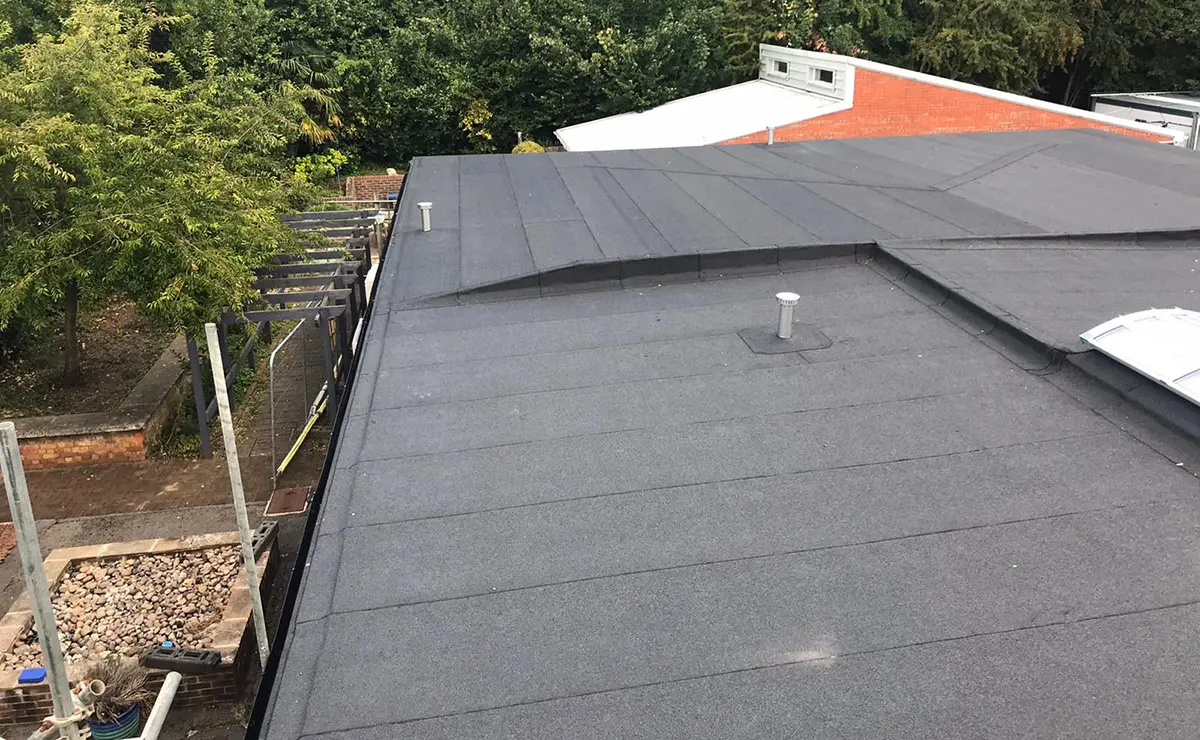
Flashing failures around vents and HVAC units are one of the leading causes of roof leaks and can easily be fixed if caught early.
Routine inspections and preventive maintenance allow roofing professionals to identify these issues early—when they’re still minor and inexpensive to resolve.
2. A Well-Maintained Roof Lasts Longer
Commercial roofing systems are a significant capital investment. Depending on the material—TPO, EPDM, PVC, metal, built-up roofing, or modified bitumen—you’re expecting a lifespan anywhere from 15 to 40 years. But here’s the catch: that lifespan is only achievable with proper care.
Think of your roof like your company vehicle fleet. Without oil changes, tire rotations, and engine checks, those vehicles won’t last long. The same is true for your roof. Skipping maintenance can shorten its life by 25–50%.
By contrast, property owners who invest in a scheduled maintenance plan often see their roofs exceed their expected service life, saving tens of thousands in early replacement costs.
3. You’ll Save on Energy Costs
Most commercial buildings are under constant pressure to keep energy bills down. Roofing plays a huge role in that equation.
A well-maintained roof helps regulate internal temperatures. Systems like TPO and PVC roofing reflect sunlight and reduce heat absorption. Insulated roofing systems keep conditioned air inside during the summer and winter months.
However, if there’s water intrusion beneath the membrane or if the insulation becomes compromised, your HVAC system will have to work overtime. Regular maintenance ensures:
Your reflective surfaces are clean and functioning
Insulation remains dry and effective
Seams and edges are sealed tight to prevent heat loss or gain
Over the life of the building, these savings can be substantial—not just on your utility bills, but also in wear and tear on your HVAC equipment.
4. Compliance and Liability Are Real Risks
Commercial roofing isn't just about keeping the rain out. It's also a regulatory and legal issue. Leaks and roof failures can lead to:
Violations of building codes and fire safety regulations
Insurance coverage denials due to neglect or improper maintenance
Slip-and-fall incidents from interior leaks or mold, leading to lawsuits
Insurance providers and commercial property insurers often require regular roof inspections to maintain coverage. Some policies may be voided if damage is determined to be preventable.
By maintaining detailed records of inspections, repairs, and maintenance visits, you’re not only extending the life of your roof—you’re protecting your business from compliance and liability risks.
5. Maintenance Enhances Building Value and Curb Appeal
Whether you're leasing out office space or looking to sell a commercial property, the condition of your roof plays a significant role in its market value.
A new or well-maintained roof is a selling point to tenants and buyers. It signals that the property has been cared for, that there won’t be unexpected repair costs, and that the building is energy-efficient and weather-tight.
Meanwhile, stains on ceilings, mold odors, or active leaks are red flags that can kill deals or reduce the property’s appraisal value.
6. Emergency Repairs Disrupt Business
Imagine this: it’s Monday morning, and you walk into your facility to find a major leak above your server room or inventory shelves. Water damage is spreading fast, and you have to shut down a portion of your operations to deal with cleanup, remediation, and emergency repairs.
Now compare that to a scenario where your roofing contractor caught the early signs of that leak during a quarterly inspection and fixed it before it ever caused damage.
Planned maintenance keeps your business running smoothly. Emergency roof failures don’t just cost money—they cost productivity and reputation.
7. Peace of Mind for You and Your Tenants
If you manage a multi-tenant building or leased commercial space, your tenants rely on you to maintain a safe, functional property. Roofing issues can disrupt their operations and put your lease agreements at risk.
By proactively maintaining the roof, you:
Build trust with tenants
Minimize complaints and downtime
Strengthen your position when negotiating lease renewals or rent increases
It’s one less thing you and your tenants have to worry about.
Featured Posts