Indiana Flat Roof Repair: Everything Business Owners Need to Know
Is your business protected by a flat roof? Flat roofs are a popular choice for commercial buildings in Indiana, offering a cost-effective and practical solution. But like any roofing system, flat roofs require regular maintenance and occasional repairs to ensure they continue to protect your valuable assets. Ignoring problems can lead to bigger, more expensive issues down the road. This comprehensive guide will provide Indiana business owners with everything they need to know about flat roof repair, helping you make informed decisions and keep your building safe and dry.
Understanding Flat Roof Systems in Indiana
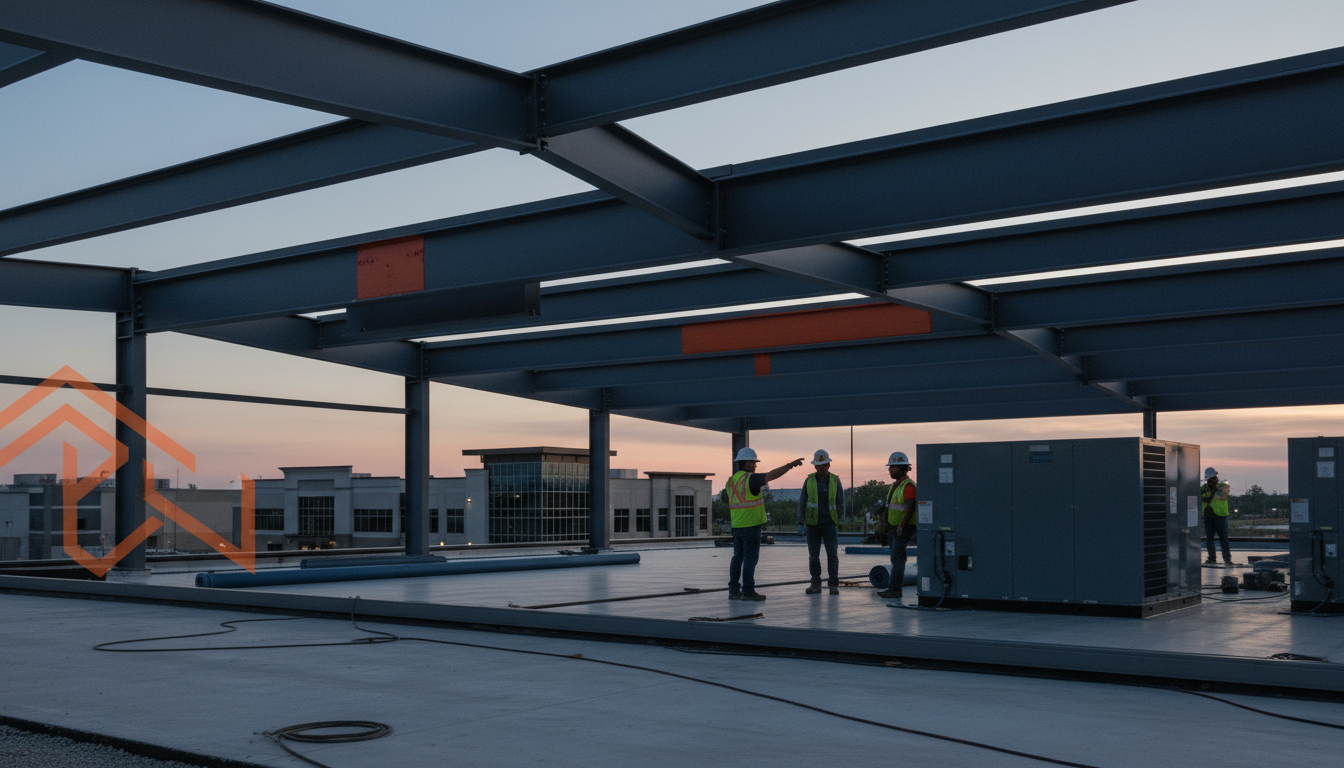
Flat roofs, while appearing perfectly level, actually have a slight slope to allow for water runoff. They are commonly used on commercial buildings due to their affordability and the ability to house HVAC equipment and other utilities. However, the flat design makes them more susceptible to water pooling, which can lead to leaks and other problems if not properly maintained. Understanding the different types of flat roofing systems is crucial for effective repair and maintenance. Let's explore some common materials used for flat roofs in Indiana:
Common Types of Flat Roofing Materials
Built-Up Roofing (BUR): BUR is one of the oldest and most reliable flat roofing systems. It consists of multiple layers of roofing felt saturated with asphalt, topped with a layer of gravel. BUR roofs are known for their durability and resistance to foot traffic.
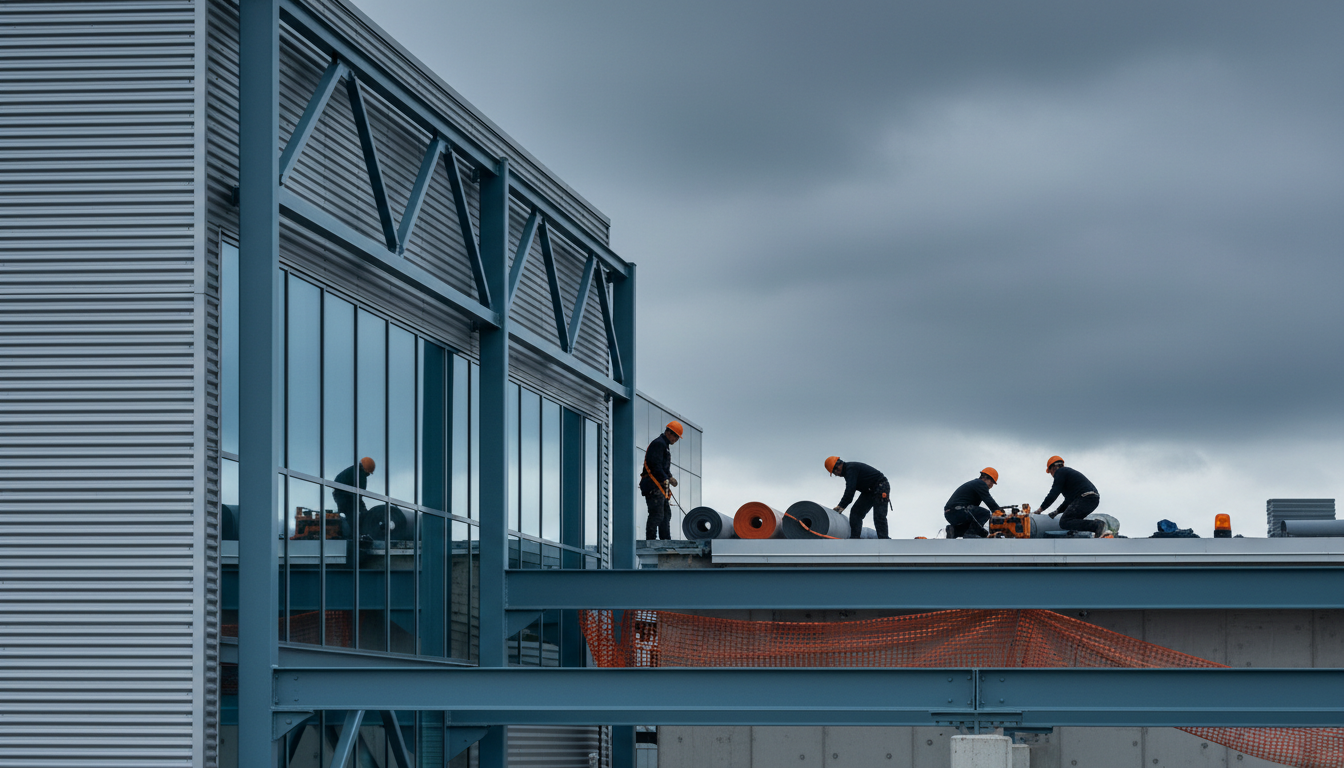
Modified Bitumen: Modified bitumen is a single-ply rolled roofing material that is asphalt-based and reinforced with fiberglass or polyester. It's often applied using heat (torch-applied) or with self-adhesive backing. Modified bitumen offers good flexibility and weather resistance.
TPO (Thermoplastic Olefin): TPO is a single-ply membrane that is heat-welded at the seams to create a watertight seal. It's a popular choice for its energy efficiency, reflectivity, and resistance to chemicals and UV rays.
EPDM (Ethylene Propylene Diene Monomer): EPDM is a synthetic rubber roofing membrane known for its durability and resistance to extreme weather conditions. It's often referred to as "rubber roofing" and is typically black in color.
PVC (Polyvinyl Chloride): PVC is another single-ply membrane that offers excellent durability and resistance to chemicals, grease, and fire. It's often used in restaurants and other businesses where these factors are a concern.
The Indiana Climate and Its Impact on Flat Roofs
Indiana's climate presents unique challenges for flat roofs. The state experiences hot, humid summers and cold, snowy winters. These temperature fluctuations cause the roofing materials to expand and contract, which can lead to cracks and leaks. Heavy snow loads in the winter can also put stress on the roof structure. Furthermore, the freeze-thaw cycle can cause water that has seeped into cracks to expand and further damage the roofing material.
Because of Indiana's climate, it's very important to work with roofing contractors in Indiana who understand these challenges. They can recommend the best roofing materials and maintenance practices to protect your investment. Regular inspections are also crucial to catch problems early before they escalate.
Identifying Common Flat Roof Problems
Recognizing the signs of damage early can save you significant money and prevent major disruptions to your business. Regular inspections are key, but here are some common problems to look out for:
Leaks and Water Damage
Leaks are the most obvious sign of a problem with your flat roof. Water stains on the ceiling, damp spots on the walls, or a musty odor can all indicate a leak. It's important to address leaks promptly to prevent further damage to the building structure, insulation, and interior finishes. Commercial flat roof repair in Indiana can range from patching small holes to replacing large sections of the roof, depending on the severity of the damage.
Ponding Water
Ponding water, or standing water that remains on the roof for more than 48 hours after a rain event, is a common problem on flat roofs. It can be caused by poor drainage, sagging roof decks, or clogged drains. Ponding water can accelerate the deterioration of the roofing material and increase the risk of leaks. Proper drainage is essential for preventing ponding water. Regularly check and clear drains and gutters to ensure proper water flow.
Blistering and Bubbling
Blistering and bubbling occur when moisture becomes trapped beneath the surface of the roofing membrane. The moisture expands in the heat, causing the membrane to bubble or blister. Blisters can eventually crack and expose the underlying layers to water damage. While small blisters may not be an immediate concern, large or numerous blisters should be addressed by a professional roofing contractor.
Cracking and Splitting
Cracking and splitting can occur due to age, weathering, or physical damage. These cracks can allow water to penetrate the roofing system and cause leaks. Regular inspections can help identify cracks early, allowing for timely repairs. Sealing cracks with appropriate roofing sealant can prevent further damage and extend the life of your roof.
Punctures and Tears
Punctures and tears can be caused by foot traffic, falling debris, or severe weather. These breaches in the roofing membrane can allow water to enter the building. Promptly repairing punctures and tears is crucial to prevent leaks and further damage. Consider installing walkways or protective mats in areas with heavy foot traffic to minimize the risk of punctures.
Choosing the Right Roofing Contractor in Indiana
Selecting the right flat roofing contractors in Indiana is a critical decision that can significantly impact the quality and longevity of your roof repair. Here's what to consider:
Importance of Local Expertise
Roofing in Indiana requires specialized knowledge due to the state's unique climate. Local contractors understand the specific challenges posed by Indiana weather and can recommend the best roofing materials and techniques for your building. They are also familiar with local building codes and regulations.
Checking Credentials and Insurance
Always verify that the roofing contractor is properly licensed and insured. A valid license ensures that the contractor has met the necessary qualifications and is authorized to perform roofing work in Indiana. Insurance protects you from liability in case of accidents or damage during the repair process. Ask for proof of insurance and verify the coverage before hiring a contractor.
Reading Reviews and Getting References
Online reviews and references can provide valuable insights into the contractor's reputation and quality of work. Check online review sites like Google, Yelp, and the Better Business Bureau to see what other customers have to say about their experience. Ask the contractor for references and contact them to inquire about their satisfaction with the contractor's services.
Comparing Quotes and Warranties
Obtain quotes from multiple roofing contractors in Indiana before making a decision. Compare the quotes carefully, paying attention to the scope of work, materials used, and warranty offered. A reputable contractor should offer a warranty on their workmanship and the materials used. Be wary of contractors who offer significantly lower prices than others, as this may indicate substandard materials or workmanship.
Flat Roof Repair Options and Costs
The cost of Indiana flat roofing repair can vary depending on the type of repair needed, the size of the roof, and the materials used. Here's an overview of common repair options and their associated costs:
Patching and Sealing
Patching and sealing are common repair methods for small leaks, cracks, and punctures. The cost of patching and sealing typically ranges from $2 to $5 per square foot. This is a cost-effective solution for minor damage, but it may not be suitable for more extensive problems.
Membrane Repair and Replacement
Membrane repair involves replacing damaged sections of the roofing membrane. The cost of membrane repair can range from $5 to $10 per square foot. In some cases, it may be necessary to replace the entire roofing membrane. The cost of membrane replacement can range from $8 to $15 per square foot, depending on the type of material used.
Drainage System Repairs
Drainage system repairs involve clearing clogged drains, repairing damaged gutters, and improving the overall drainage of the roof. The cost of drainage system repairs can vary depending on the extent of the problem. Simple drain cleaning may cost a few hundred dollars, while more extensive repairs or replacements can cost several thousand dollars.
Coatings and Sealants
Applying a protective coating or sealant can help extend the life of your flat roof and prevent future leaks. The cost of coatings and sealants typically ranges from $2 to $7 per square foot. This is a proactive measure that can help protect your roof from weathering and damage.
Factors Affecting Repair Costs
Several factors can affect the cost of flat roofing in Indiana repair, including:
Roof Size: Larger roofs will generally cost more to repair than smaller roofs.
Type of Roofing Material: The cost of repair can vary depending on the type of roofing material used.
Extent of Damage: More extensive damage will require more extensive repairs, which will increase the cost.
Accessibility: Difficult-to-access roofs may require specialized equipment or techniques, which can increase the cost.
Contractor's Fees: Contractor's fees can vary depending on their experience, reputation, and overhead costs.
Preventative Maintenance for Indiana Flat Roofs
The best way to minimize the need for costly repairs is to implement a proactive preventative maintenance program. Regular maintenance can help identify and address potential problems before they escalate into major issues.
Regular Inspections
Schedule regular inspections of your flat roof, at least twice a year, preferably in the spring and fall. Inspect the roof for signs of damage, such as leaks, ponding water, blisters, cracks, and punctures. Pay close attention to seams, flashings, and penetrations, as these are common areas for leaks to occur. Keep a record of your inspections and any repairs that are performed.
Cleaning and Debris Removal
Keep your flat roof clean and free of debris, such as leaves, branches, and trash. Debris can clog drains and gutters, leading to ponding water and accelerated deterioration of the roofing material. Regularly sweep or wash the roof to remove debris. Consider installing leaf guards on gutters to prevent clogs.
Drainage System Maintenance
Ensure that your drainage system is functioning properly. Check drains and gutters regularly for clogs and clean them as needed. Repair any damaged gutters or downspouts. Consider installing larger drains or adding additional drains to improve drainage capacity.
Professional Maintenance Programs
Consider enrolling in a professional maintenance program offered by a reputable flat roofing contractor in Indiana. These programs typically include regular inspections, cleaning, and minor repairs. A professional maintenance program can help extend the life of your roof and prevent costly repairs down the road.
Frequently Asked Questions
Here are some frequently asked questions about Indiana flat roof repair:
Q: How often should I inspect my flat roof?
A: You should inspect your flat roof at least twice a year, preferably in the spring and fall. More frequent inspections may be necessary if you notice any signs of damage or if you experience severe weather.
Q: How long does a flat roof last?
A: The lifespan of a flat roof depends on the type of material used, the quality of installation, and the level of maintenance. A well-maintained flat roof can last anywhere from 10 to 30 years or more.
Q: Can I repair my flat roof myself?
A: While some minor repairs, such as patching small holes, can be done yourself, it's generally best to hire a professional roofing contractor for more extensive repairs. Flat roof repair can be dangerous and requires specialized knowledge and equipment. Improper repairs can lead to further damage and leaks.
Q: What are the signs of a failing flat roof?
A: Common signs of a failing flat roof include leaks, ponding water, blisters, cracks, punctures, and excessive wear and tear. If you notice any of these signs, it's important to have your roof inspected by a professional.
Q: How much does it cost to replace a flat roof in Indiana?
A: The cost to replace a flat roof in Indiana can vary depending on the size of the roof, the type of material used, and the contractor's fees. On average, you can expect to pay between $8 and $15 per square foot for flat roof replacement.
Q: What type of flat roofing is best for Indiana's climate?
A: EPDM, TPO, and modified bitumen are all popular choices for flat roofs in Indiana due to their durability and resistance to extreme weather conditions. The best choice for your building will depend on your specific needs and budget.
Conclusion
Taking care of your flat roof is essential for protecting your business and assets. By understanding the common problems, choosing the right roofing contractors in Indiana, and implementing a proactive maintenance program, you can extend the life of your roof and prevent costly repairs. Remember, regular inspections, prompt repairs, and proper drainage are key to keeping your flat roof in top condition. Don't wait until you have a major leak to address your roofing needs. Contact a qualified flat roofing contractor in Indiana today for an inspection and to discuss your maintenance options. Protect your investment and ensure the safety and security of your business. Contact us today for a free quote and let us help you keep your business covered!