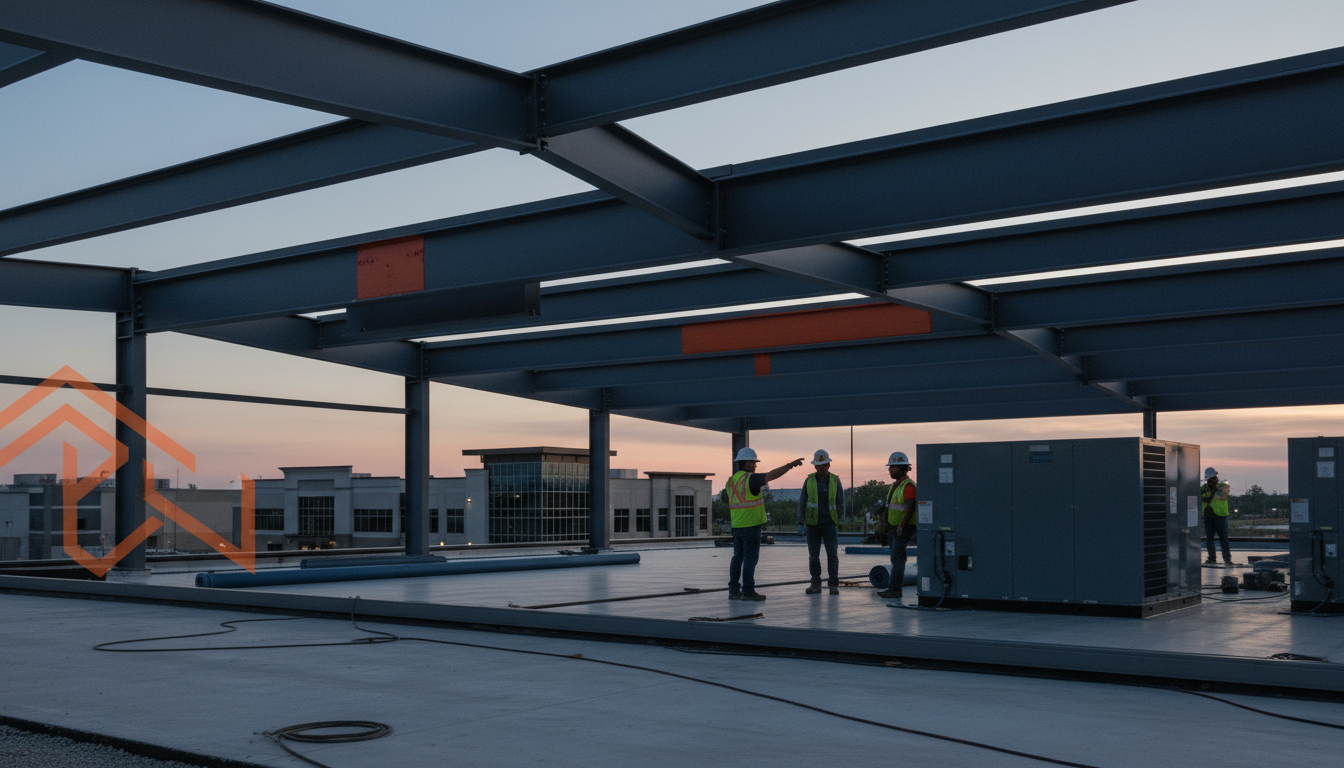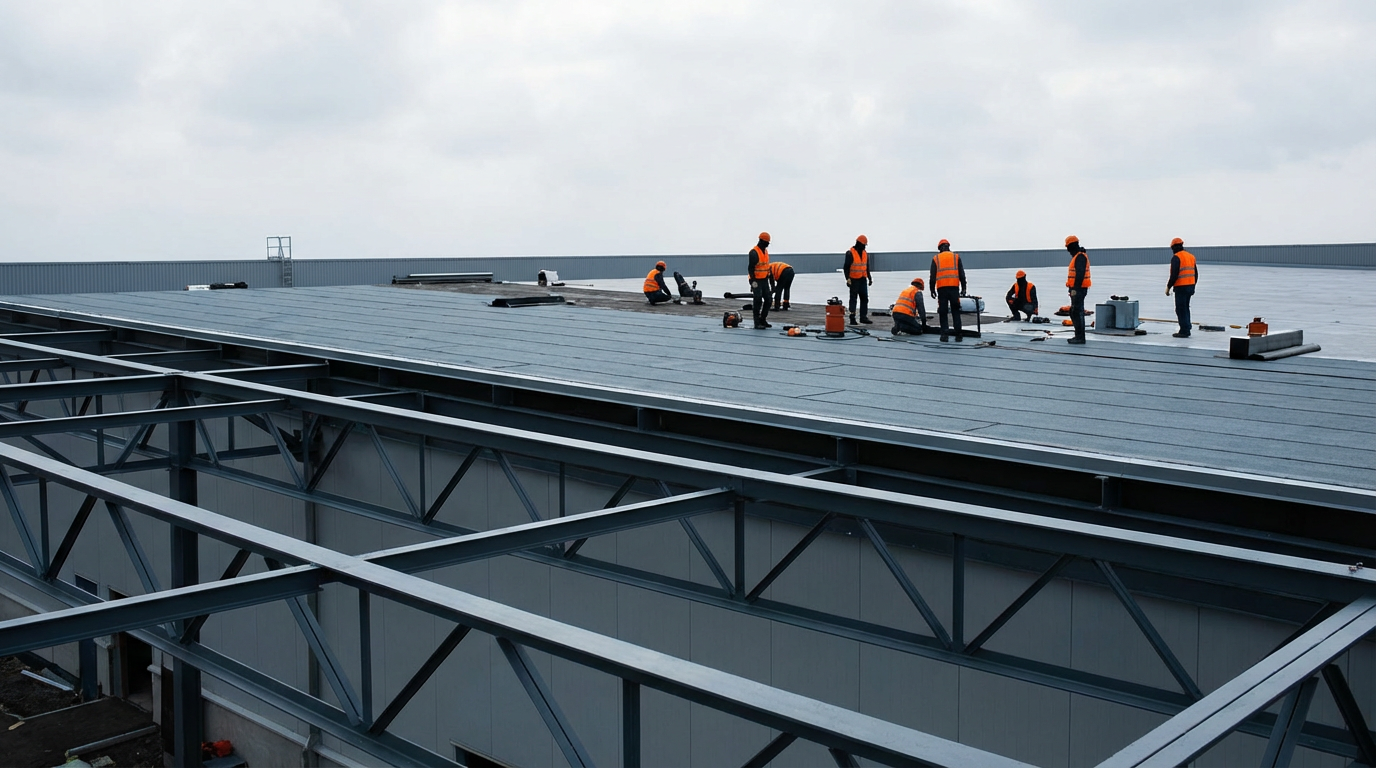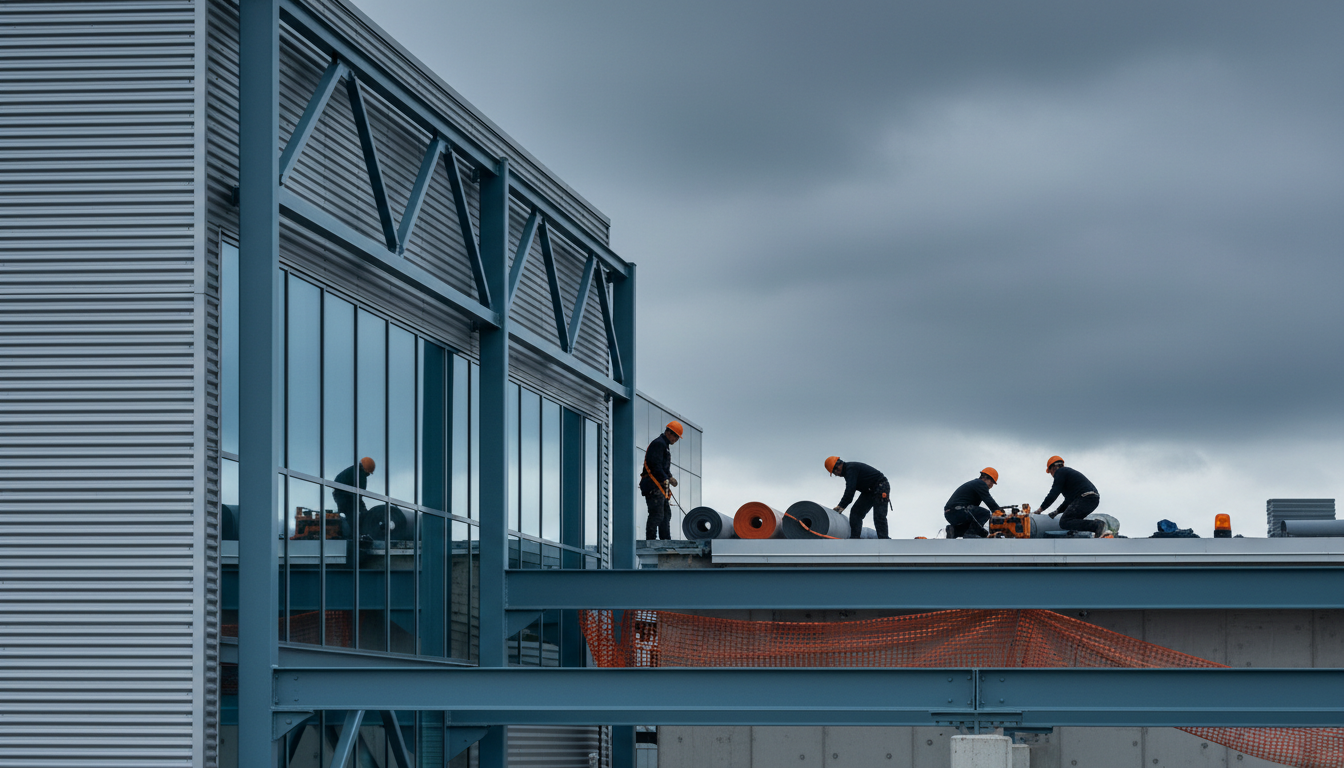
Choosing the right team for your flat roof is a big deal. A leaky roof can cause major headaches, from damaged inventory to disrupted business. That's why hiring experienced **roofing contractors in Indiana** is so important. But with so many options, how do you avoid making a costly mistake? This guide will walk you through seven common pitfalls when selecting **flat roofing contractors in Indiana**, ensuring you get a durable, quality roof that protects your investment for years to come.
1. Neglecting to Verify Licensing and Insurance
Before even considering a bid, it's crucial to confirm that any **roofing contractor** you're evaluating is properly licensed and insured. This isn't just paperwork; it's your protection.
Why Licensing Matters
A license demonstrates that a contractor has met the minimum requirements set by the state of Indiana to operate a roofing business. This often includes passing exams, proving experience, and maintaining a certain level of financial stability. Hiring an unlicensed contractor can lead to several problems:
Lack of Expertise: Unlicensed contractors may not have the necessary skills and knowledge to properly install or repair a flat roof.
Substandard Work: The quality of work may be poor, leading to leaks, premature failure, and costly repairs down the road.
No Recourse: If something goes wrong, you may have limited legal options to recover damages.
The Importance of Insurance
Insurance is another critical factor. A reputable **flat roofing contractor in Indiana** should carry both general liability and workers' compensation insurance.
General Liability: This protects you if the contractor or their crew causes damage to your property during the roofing project.
Workers' Compensation: This covers medical expenses and lost wages if a worker is injured on your property. Without it, you could be held liable for their injuries.
Actionable Tip: Always ask for proof of licensing and insurance. Call the insurance company directly to verify that the policies are current and valid. Don't just take the contractor's word for it!
2. Skipping the Background Check and Ignoring Reviews
In today's digital age, information is readily available. Failing to research a **roofing contractor's** reputation is a major oversight. You need to know what others are saying about their work.
Online Reviews: A Window into the Past
Websites like Google, Yelp, and the Better Business Bureau (BBB) are valuable resources for checking reviews. Pay attention to the following:
Overall Rating: What is the average rating the contractor has received?
Number of Reviews: A contractor with a large number of positive reviews is generally more reliable than one with only a few.
Specific Comments: Read the reviews carefully to see what customers are saying about the contractor's quality of work, communication, and professionalism.
BBB Rating: Check the contractor's rating with the BBB. An A+ rating is a good sign, but also look at any complaints that have been filed and how the contractor responded.
Requesting and Checking References
Don't rely solely on online reviews. Ask the contractor for a list of references – past clients who can vouch for their work. When you contact these references, ask specific questions:
Were you satisfied with the quality of the work?
Was the project completed on time and within budget?
Did the contractor communicate effectively throughout the project?
Would you hire this contractor again?
Actionable Tip: Don't be afraid to dig deep! A little research can save you a lot of heartache in the long run. If a contractor is hesitant to provide references or has a history of negative reviews, it's a red flag.
3. Choosing Based on Price Alone
We all love a good deal, but when it comes to **roofing in Indiana**, choosing the lowest bidder can be a recipe for disaster. Price should be a factor, but it shouldn't be the only one.
The Hidden Costs of Cheap Roofing
A significantly lower price often means corners are being cut. This could involve using cheaper materials, hiring less experienced labor, or skipping important steps in the installation process. These shortcuts can lead to:
Premature Roof Failure: A poorly installed roof may start leaking within a few years, requiring costly repairs or even a complete replacement.
Water Damage: Leaks can cause significant damage to your building's interior, including walls, ceilings, and flooring.
Mold Growth: Water intrusion can create a breeding ground for mold, which can pose serious health risks.
Understanding the Scope of Work
Before comparing bids, make sure you understand exactly what each contractor is offering. A lower price may seem appealing, but it could be missing essential components. Get detailed, written estimates that include:
Materials: Specify the type and quality of roofing materials to be used.
Labor: Outline the scope of work to be performed, including any necessary repairs or preparation.
Warranty: Clearly state the length and terms of the warranty.
Actionable Tip: Focus on value, not just price. Choose a **flat roofing contractor in Indiana** who offers a fair price for quality materials, skilled workmanship, and a solid warranty.
4. Overlooking the Importance of Experience with Flat Roofs
Flat roofs require specialized knowledge and techniques. Hiring a **roofing contractor** who primarily works on sloped roofs may not be the best choice for your flat roof project.
The Unique Challenges of Flat Roofing
Flat roofs have different characteristics than sloped roofs. They require specific materials and installation methods to ensure proper drainage and prevent leaks. Some common challenges include:
Water Pooling: Flat roofs are more prone to water pooling, which can lead to leaks and premature deterioration.
UV Exposure: Flat roofs are exposed to direct sunlight, which can cause materials to degrade over time.
Expansion and Contraction: Flat roofing materials expand and contract with temperature changes, which can put stress on seams and joints.
Questions to Ask About Flat Roof Experience
When interviewing **flat roofing contractors in Indiana**, ask these questions to gauge their experience:
How many flat roof projects have you completed in the past year?
What types of flat roofing systems do you specialize in? (e.g., TPO, EPDM, modified bitumen)
Are you familiar with the specific building codes and regulations for flat roofs in Indiana?
Can you provide references from past flat roof clients?
Actionable Tip: Look for a contractor who has a proven track record of successfully installing and repairing flat roofs. Don't be afraid to ask for examples of their work and to speak with past clients.
5. Failing to Get a Detailed, Written Contract
A verbal agreement is simply not enough when it comes to a roofing project. A comprehensive, written contract is essential to protect your interests and ensure that everyone is on the same page.
Key Elements of a Roofing Contract
Your contract should include the following information:
Scope of Work: A detailed description of the work to be performed, including the type of roofing materials to be used, any necessary repairs or preparation, and the removal of old roofing materials.
Project Timeline: A start date and estimated completion date.
Payment Schedule: A clear breakdown of the payment terms, including the amount of the deposit, any progress payments, and the final payment.
Warranty Information: The length and terms of the warranty, including what is covered and what is not.
Insurance Information: Proof of the contractor's general liability and workers' compensation insurance.
Change Order Procedures: A process for handling any changes or additions to the original scope of work.
Dispute Resolution: A method for resolving any disputes that may arise during the project.
Read the Fine Print
Don't just skim the contract – read it carefully and make sure you understand all the terms and conditions. If you have any questions or concerns, don't hesitate to ask the contractor for clarification. It's always a good idea to have a lawyer review the contract before you sign it.
Actionable Tip: Never sign a blank contract or a contract that is incomplete. Make sure all the details are filled in and that you are comfortable with the terms before you commit.
6. Ignoring the Importance of Proper Drainage
Proper drainage is crucial for the longevity of any flat roof. One of the biggest issues that arises with **flat roofing in Indiana** is water damage, which can be prevented by proper drainage systems.
Common Drainage Problems
If water pools on a flat roof for extended periods, it can lead to several problems, including:
Leaks: Standing water can seep through seams and cracks, causing leaks and water damage to the building's interior.
Material Degradation: Prolonged exposure to water can cause roofing materials to break down and deteriorate.
Algae and Moss Growth: Standing water can create a breeding ground for algae and moss, which can further damage the roof.
Increased Weight Load: A significant amount of standing water can add extra weight to the roof structure, potentially causing structural damage.
Ensuring Proper Drainage
A good **flat roofing contractor in Indiana** will design and install a drainage system that effectively removes water from the roof. This may include:
Slight Slope: Creating a slight slope on the roof to direct water towards drains.
Internal Drains: Installing drains inside the building to collect and channel water away from the roof.
Scuppers: Cutting openings in the parapet walls to allow water to drain off the roof.
Gutter Systems: Installing gutters to collect and channel water away from the building.
Actionable Tip: Ask the contractor about their drainage plan and make sure it addresses the specific needs of your building. A well-designed and properly installed drainage system is essential for protecting your flat roof.
7. Neglecting to Inquire About Warranty Details
A solid warranty is a sign that the **roofing contractor** stands behind their work. However, not all warranties are created equal. You need to understand what the warranty covers and what it doesn't.
Types of Warranties
There are two main types of warranties to consider:
Manufacturer's Warranty: This covers defects in the roofing materials themselves. The length of the warranty can vary depending on the type of material and the manufacturer.
Contractor's Warranty: This covers defects in the workmanship. The length of the contractor's warranty can also vary, but it typically ranges from one to five years.
Important Warranty Considerations
When reviewing a warranty, pay attention to the following:
Coverage: What specific issues are covered by the warranty? (e.g., leaks, material defects, workmanship errors)
Exclusions: What issues are not covered by the warranty? (e.g., damage from natural disasters, improper maintenance, alterations to the roof)
Transferability: Is the warranty transferable to a new owner if you sell the building?
Claim Process: How do you file a claim under the warranty?
Actionable Tip: Get a copy of the warranty in writing and read it carefully. Make sure you understand the terms and conditions before you sign the contract. A good warranty can provide peace of mind and protect you from unexpected expenses.
Frequently Asked Questions
Here are some common questions people have when hiring **roofing contractors** for **flat roofing in Indiana**:
Q: How much does a new flat roof cost in Indiana?
A: The cost of a new flat roof can vary depending on several factors, including the size of the roof, the type of roofing materials used, and the complexity of the installation. On average, you can expect to pay between $5 and $15 per square foot. Get multiple quotes from different **flat roofing contractors in Indiana** to get a better idea of the cost for your specific project.
Q: What are the most common types of flat roofing materials?
A: Some of the most common types of flat roofing materials include TPO (thermoplastic polyolefin), EPDM (ethylene propylene diene monomer), modified bitumen, and built-up roofing (BUR).
Q: How long does a flat roof last?
A: The lifespan of a flat roof depends on the type of roofing materials used and how well it is maintained. A well-maintained flat roof can last anywhere from 15 to 30 years or more.
Q: How do I know if my flat roof needs to be repaired or replaced?
A: Some common signs that your flat roof needs to be repaired or replaced include leaks, standing water, cracks, blisters, and excessive wear and tear. If you notice any of these issues, it's important to contact a qualified **roofing contractor** to inspect your roof and recommend the best course of action.
Q: What is the best time of year to install a flat roof in Indiana?
A: The best time of year to install a flat roof in Indiana is typically during the spring or fall. The weather is usually mild and dry during these seasons, which is ideal for roofing work. Avoid installing a flat roof during the winter months, as cold temperatures can make it difficult for roofing materials to adhere properly.
Q: Do I need a permit to install a new flat roof in Indiana?
A: In most cases, you will need a permit to install a new flat roof in Indiana. Contact your local building department to find out the specific requirements for your area.
Conclusion
Choosing the right **roofing contractors in Indiana** for your flat roof project is a crucial decision that can significantly impact the longevity and performance of your roof. By avoiding these seven costly mistakes – neglecting licenses and insurance, skipping background checks, prioritizing price over value, overlooking flat roof experience, failing to get a detailed contract, ignoring drainage, and neglecting warranty details – you can ensure a successful and stress-free roofing experience.
Remember, investing in quality materials and skilled workmanship is an investment in the future of your property. Don't compromise on quality to save a few dollars upfront. A durable, well-installed flat roof will protect your building from the elements and save you money in the long run.
Ready to find the perfect **flat roofing contractors in Indiana** for your needs? Contact us today for a free consultation and estimate. Let us help you protect your investment with a top-quality flat roof!