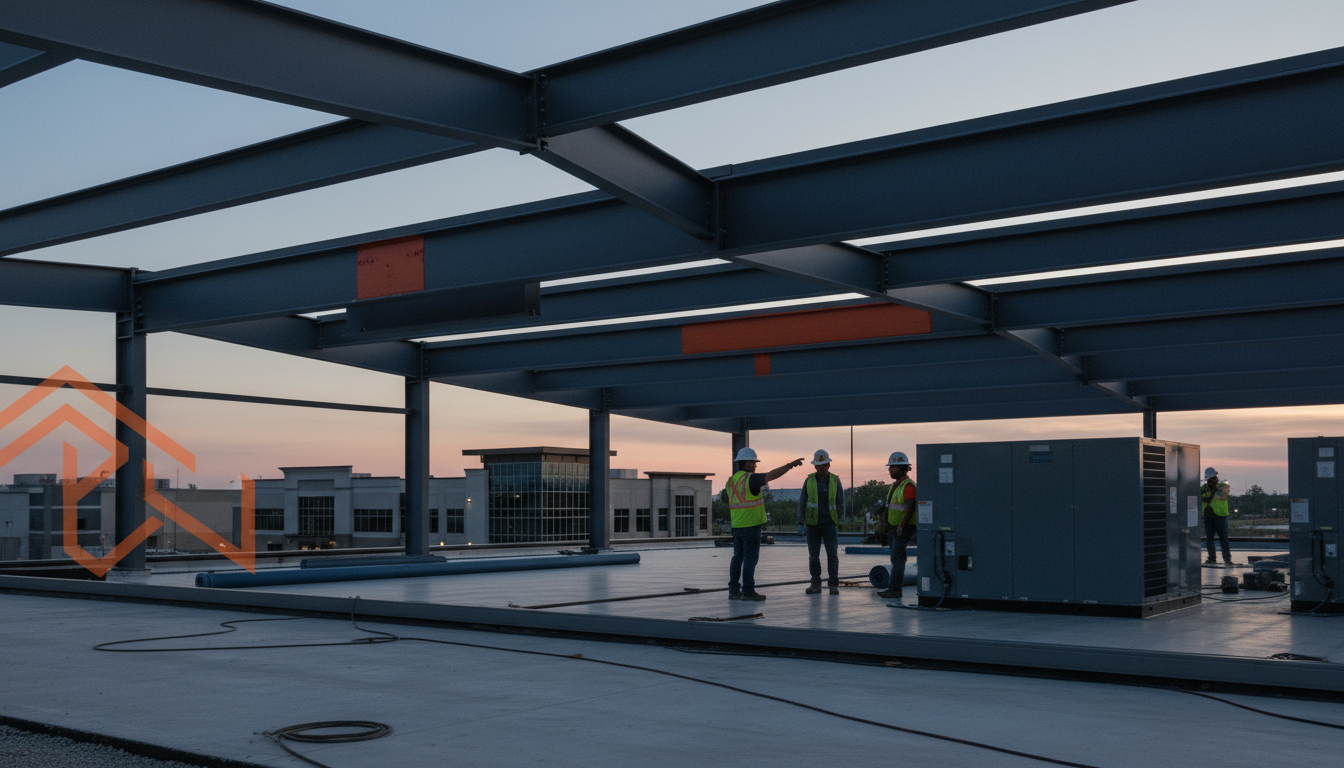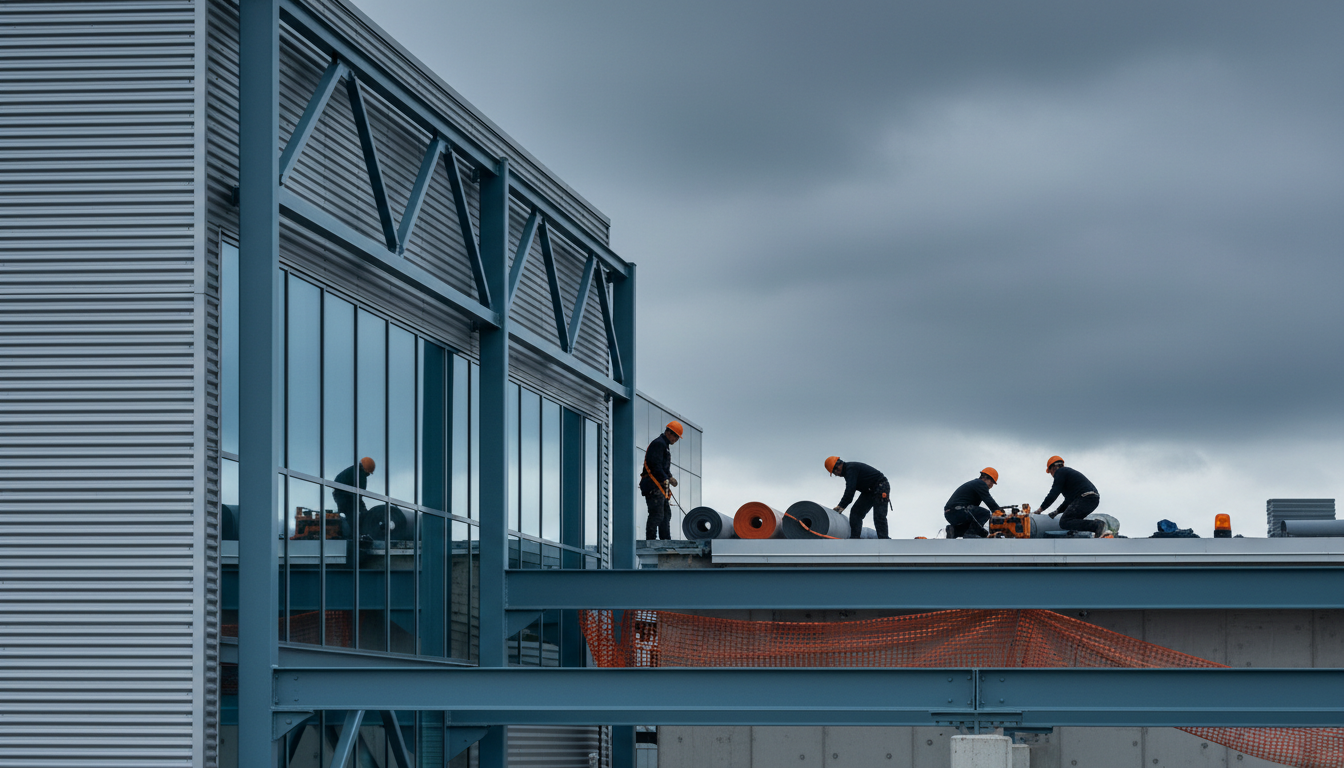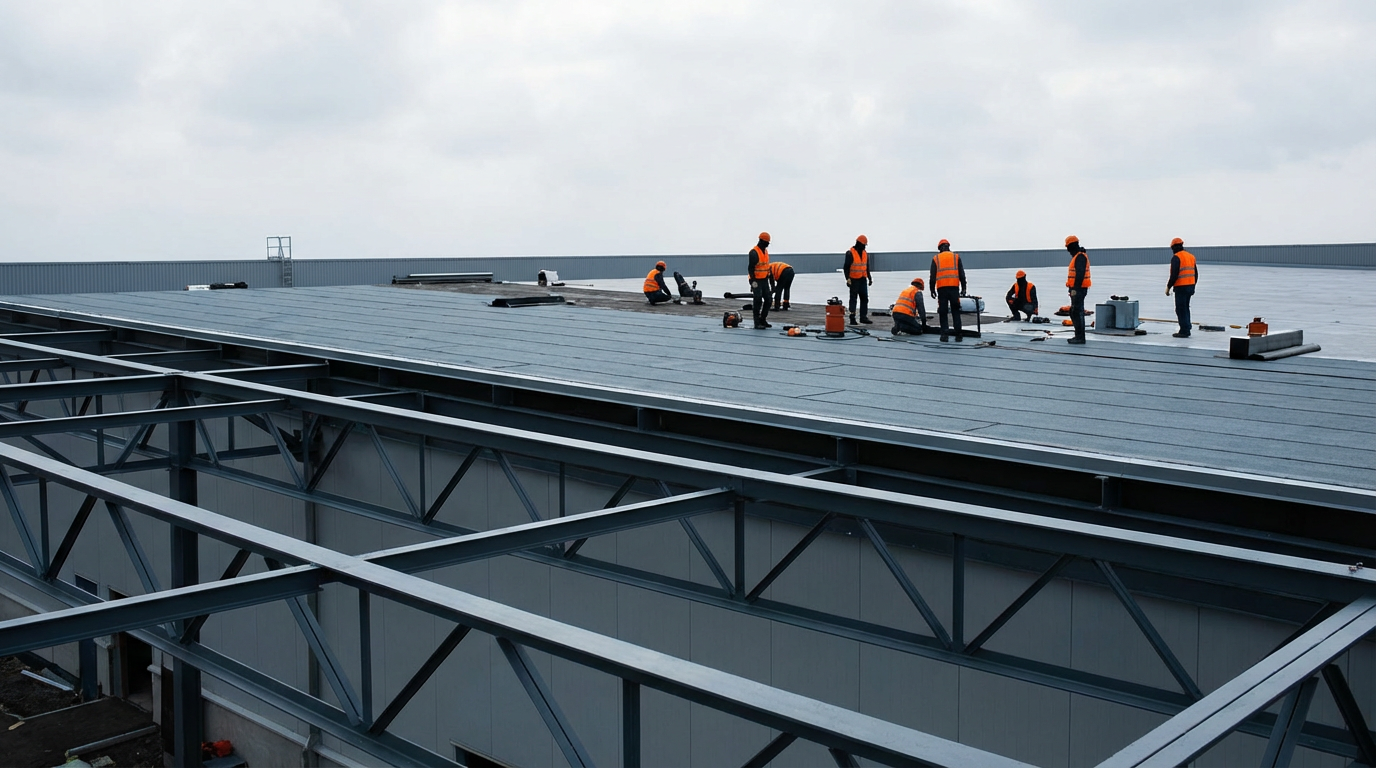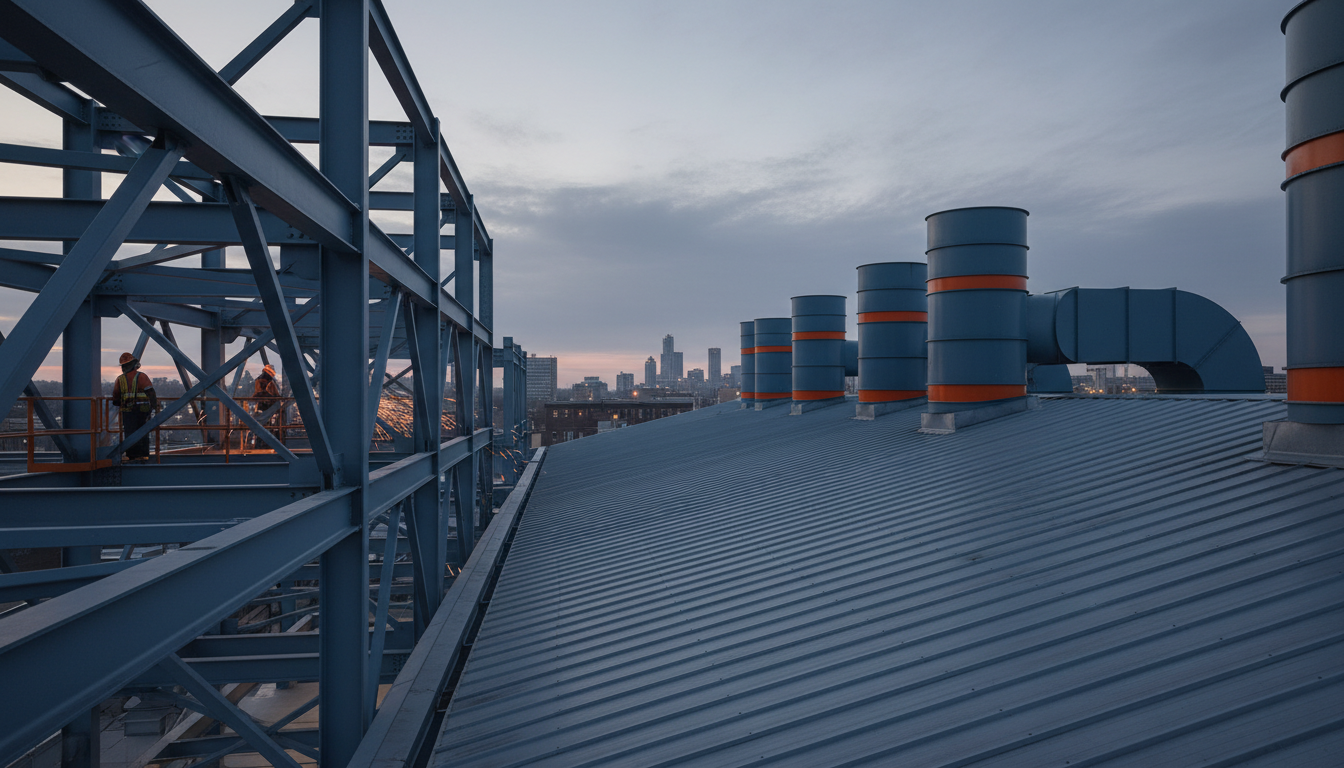
Navigating the world of industrial roofing can feel like scaling a skyscraper. You need a team you can trust, especially when protecting your business from the unpredictable Indiana weather. Selecting the right roofing contractor is crucial for ensuring the longevity and safety of your commercial property. A faulty roof can lead to significant problems, from water damage and energy inefficiency to structural issues that impact your bottom line. That's why choosing a top-rated Indiana roofing specialist is an investment, not just an expense. This guide will walk you through the key considerations for selecting the best industrial roofing contractor for your needs, highlighting some of the top-rated professionals serving Indiana businesses. We'll explore the types of roofing systems commonly used in industrial settings, the importance of proper maintenance, and what to look for in a qualified contractor. Let's get started and find the perfect partner to keep your business covered!
Understanding Industrial Roofing Needs in Indiana
Indiana's climate presents unique challenges for industrial roofing systems. From scorching summers to freezing winters and everything in between, your roof must withstand a wide range of temperatures and weather conditions. Understanding these challenges is the first step in choosing the right roofing solution and contractor.
The Impact of Indiana Weather on Industrial Roofs
Indiana's weather patterns can be tough on roofs: * Temperature Fluctuations: The constant expansion and contraction caused by temperature swings can lead to cracks and leaks in roofing materials. * Heavy Snowfall: Snow accumulation can put significant weight on a roof, potentially causing structural damage. * Rain and Humidity: Moisture can seep into roofing materials, leading to rot, mold growth, and deterioration. * High Winds: Strong winds can lift and damage roofing materials, especially if they are not properly installed or maintained. Choosing a roofing system that is specifically designed to withstand these conditions is essential. For example, a flat roof, common on many industrial buildings, requires a robust waterproofing system to prevent leaks from standing water.
Common Industrial Roofing Systems in Indiana
Several roofing systems are commonly used for industrial buildings in Indiana. Each has its own advantages and disadvantages: * Single-Ply Membranes (TPO, PVC, EPDM): These are popular choices for flat roofs due to their durability, reflectivity, and ease of installation. TPO (thermoplastic polyolefin) is known for its energy efficiency and resistance to UV radiation. PVC (polyvinyl chloride) is a strong and chemical-resistant option. EPDM (ethylene propylene diene monomer), often referred to as rubber roofing, is flexible and weather-resistant. * Built-Up Roofing (BUR): This traditional system consists of multiple layers of roofing felt and asphalt, creating a durable and waterproof barrier. While it's a proven technology, it can be heavier and more labor-intensive to install than single-ply membranes. * Metal Roofing: Metal roofs are known for their longevity, fire resistance, and energy efficiency. They can be made from various materials, including steel, aluminum, and copper. Metal roofing is a good choice for both pitched and low-slope roofs. * Modified Bitumen: This asphalt-based system is reinforced with polymers for increased durability and flexibility. It is often used for flat and low-slope roofs. * Spray Polyurethane Foam (SPF): SPF roofing provides excellent insulation and can conform to irregular roof shapes. It is sprayed onto the roof surface and then coated with a protective layer. The best roofing system for your building will depend on several factors, including the roof's slope, the building's use, your budget, and your energy efficiency goals. Consulting with experienced roofing contractors in Indiana is crucial to making the right choice.
The Importance of Regular Roof Inspections and Maintenance
Regular roof inspections and maintenance are essential for extending the life of your industrial roof and preventing costly repairs. A proactive approach can help you identify and address minor issues before they escalate into major problems. * Schedule Regular Inspections: Aim for at least two inspections per year, ideally in the spring and fall. A professional roofing contractor can identify potential problems such as cracks, leaks, and damaged flashing. * Clean Your Roof Regularly: Remove debris such as leaves, branches, and standing water. This will prevent moisture buildup and reduce the risk of damage. * Repair Damage Promptly: Address any issues identified during inspections as soon as possible. Delaying repairs can lead to further damage and higher costs. * Maintain Gutters and Drains: Ensure that gutters and drains are clear of debris to allow for proper water runoff. Clogged gutters can cause water to back up onto the roof, leading to leaks. * Keep Records: Maintain a detailed record of all inspections, maintenance, and repairs. This will help you track the condition of your roof over time and make informed decisions about future maintenance. By investing in regular maintenance, you can significantly extend the lifespan of your industrial roof and avoid costly emergency repairs.
Key Considerations When Choosing a Roofing Contractor
Selecting the right roofing contractor is a critical decision that can impact the long-term performance and reliability of your industrial roof. Here are some key factors to consider:
Licensing, Insurance, and Certifications
* Licensing: Ensure that the contractor is properly licensed to perform roofing work in Indiana. Licensing requirements vary by state and locality, so verify that the contractor meets all applicable requirements. * Insurance: Verify that the contractor carries adequate insurance coverage, including general liability and workers' compensation. This will protect you from liability in case of accidents or injuries on your property. * Certifications: Look for contractors who are certified by roofing manufacturers or industry organizations. Certifications demonstrate that the contractor has the training and expertise to install specific roofing systems properly. For example, certifications from TPO or EPDM manufacturers are a good sign if you are considering those materials.
Experience and Expertise with Industrial Roofing
* Years in Business: A contractor with a long track record is more likely to have the experience and stability to handle your project successfully. * Industrial Roofing Experience: Make sure the contractor has specific experience with industrial roofing systems, as opposed to residential roofing. Industrial roofs often have unique requirements and challenges. * Project Portfolio: Ask to see examples of the contractor's previous work. This will give you an idea of their quality of workmanship and the types of projects they have handled. * References: Contact previous clients to get feedback on their experience with the contractor. Ask about the quality of the work, the contractor's communication, and their ability to stay on schedule and within budget.
Reputation and Customer Reviews
* Online Reviews: Check online review sites such as Google Reviews, Yelp, and the Better Business Bureau to see what other customers have to say about the contractor. * BBB Rating: A good Better Business Bureau (BBB) rating can indicate that the contractor has a history of resolving customer complaints satisfactorily. * Professional Associations: Membership in professional associations such as the National Roofing Contractors Association (NRCA) can be a sign of a reputable and committed contractor.
Warranty and Guarantees
* Material Warranty: Ensure that the roofing system comes with a manufacturer's warranty that covers defects in materials. * Workmanship Warranty: The contractor should provide a workmanship warranty that covers defects in installation. A longer warranty period is generally a sign of a more confident and reliable contractor. * Review Warranty Details: Carefully review the terms and conditions of the warranty to understand what is covered and what is not. Pay attention to any exclusions or limitations.
Clear Communication and Project Management
* Detailed Proposals: The contractor should provide a detailed proposal that outlines the scope of work, materials to be used, project timeline, and payment schedule. * Regular Updates: The contractor should communicate with you regularly throughout the project, providing updates on progress and addressing any concerns you may have. * Project Management: A well-organized contractor will have a clear project management plan in place to ensure that the project stays on schedule and within budget. By carefully considering these factors, you can increase your chances of selecting a qualified and reliable roofing contractor who will provide quality workmanship and excellent customer service.
Spotlight on Top-Rated Indiana Roofing Specialists
While we cannot explicitly endorse specific companies, we can highlight the qualities and services offered by top-rated roofing specialists in Indiana. These are the types of companies you should be looking for:
Companies Offering Comprehensive Roofing Services
Look for companies that offer a full range of roofing services, including: * New Roof Installation: Expertise in installing various types of industrial roofing systems, such as single-ply membranes, BUR, metal roofing, and modified bitumen. * Roof Repair: Prompt and efficient repair services to address leaks, cracks, and other types of damage. * Roof Replacement: Expertise in removing old roofing systems and installing new ones, with minimal disruption to your business operations. * Roof Maintenance: Proactive maintenance programs to extend the life of your roof and prevent costly repairs. * Roof Inspections: Thorough inspections to identify potential problems and provide recommendations for repairs or maintenance. * Emergency Services: 24/7 emergency services to address urgent roofing issues, such as storm damage or sudden leaks.
Specialization in Flat Roofing Systems
Many industrial buildings in Indiana have flat roofs, so it's essential to find a contractor with expertise in flat roofing systems. Look for contractors who specialize in: * TPO Roofing: Installation, repair, and maintenance of TPO roofing systems. * PVC Roofing: Installation, repair, and maintenance of PVC roofing systems. * EPDM Roofing: Installation, repair, and maintenance of EPDM roofing systems. * Flat Roof Leak Detection and Repair: Expertise in identifying and repairing leaks in flat roofs, using advanced techniques and equipment. * Flat Roof Coatings: Application of protective coatings to extend the life of flat roofs and improve their energy efficiency.
Commitment to Safety and Quality
Top-rated roofing specialists prioritize safety and quality in all aspects of their work. Look for companies that: * Have a Strong Safety Record: Implement comprehensive safety programs to protect their workers and your property. * Use High-Quality Materials: Use only high-quality roofing materials from reputable manufacturers. * Employ Skilled and Trained Workers: Employ experienced and well-trained roofing professionals who are committed to providing quality workmanship. * Adhere to Industry Best Practices: Follow industry best practices for installation, repair, and maintenance of roofing systems. * Are Committed to Customer Satisfaction: Strive to provide excellent customer service and ensure that their clients are satisfied with their work.
Examples of Reputable Roofing Contractors in Indiana
While we cannot name specific companies, here are some examples of the types of roofing contractors you might find in Indiana: * Large Regional Contractors: These companies have a wide geographic reach and offer a full range of roofing services. * Specialty Roofing Contractors: These companies specialize in specific types of roofing systems, such as flat roofing or metal roofing. * Local Roofing Companies: These companies are based in Indiana and have a strong understanding of the local climate and building codes. When researching roofing contractors, be sure to check their credentials, read online reviews, and contact previous clients to get feedback on their experience.
Understanding Flat Roofing Systems: Benefits and Problems
Flat roofing systems are a common choice for industrial buildings due to their cost-effectiveness and ease of installation. However, they also have their own set of challenges. Understanding the benefits and potential problems of flat roofing systems is crucial for making informed decisions about your roofing needs.
Benefits of Flat Roofing Systems
* Cost-Effective: Flat roofs are generally less expensive to install than pitched roofs because they require less material and labor. * Easy to Install: Flat roofs are relatively easy to install, which can save time and money. * Space Utilization: Flat roofs can be used for various purposes, such as installing HVAC equipment, solar panels, or even creating a rooftop garden. * Accessibility: Flat roofs are easier to access for maintenance and repairs than pitched roofs. * Energy Efficiency: Flat roofs can be designed to be highly energy-efficient, reducing heating and cooling costs.
Potential Problems with Flat Roofing Systems
* Water Drainage: Flat roofs are prone to water ponding, which can lead to leaks and damage. Proper drainage is essential for preventing water buildup. * Leakage: Flat roofs are more susceptible to leaks than pitched roofs because water can accumulate on the surface. * Maintenance: Flat roofs require regular maintenance to prevent leaks and other problems. * Shorter Lifespan: Flat roofs typically have a shorter lifespan than pitched roofs due to the increased exposure to the elements. * Heat Absorption: Dark-colored flat roofs can absorb a lot of heat, increasing cooling costs.
Solutions for Common Flat Roofing Problems
* Proper Drainage: Ensure that your flat roof has a proper drainage system, including adequate slope and well-maintained drains. * Waterproof Membranes: Use high-quality waterproof membranes, such as TPO, PVC, or EPDM, to prevent leaks. * Regular Inspections and Maintenance: Schedule regular inspections and maintenance to identify and address potential problems early. * Protective Coatings: Apply protective coatings to extend the life of your flat roof and improve its energy efficiency. * Light-Colored Roofing Materials: Use light-colored roofing materials to reduce heat absorption and cooling costs.
Flat Roofing Options in Indiana
When considering flat roofing options in Indiana, it's important to choose materials that are well-suited to the local climate. Here are some popular options: * TPO (Thermoplastic Polyolefin): A durable and energy-efficient single-ply membrane that is resistant to UV radiation and chemicals. * PVC (Polyvinyl Chloride): A strong and chemical-resistant single-ply membrane that is ideal for industrial applications. * EPDM (Ethylene Propylene Diene Monomer): A flexible and weather-resistant rubber roofing material that is easy to install and maintain. * Modified Bitumen: An asphalt-based roofing system that is reinforced with polymers for increased durability and flexibility. Consulting with experienced flat roofing contractors in Indiana is essential for choosing the right roofing system for your building and ensuring that it is properly installed and maintained.
Frequently Asked Questions
Here are some frequently asked questions about industrial roofing in Indiana: Q: How often should I have my industrial roof inspected? A: It's recommended to have your industrial roof inspected at least twice a year, ideally in the spring and fall. Regular inspections can help identify potential problems early and prevent costly repairs. Q: What are the signs that my industrial roof needs repair? A: Signs that your industrial roof needs repair include leaks, cracks, blisters, ponding water, and damaged flashing. If you notice any of these issues, it's important to contact a roofing contractor as soon as possible. Q: How long does an industrial roof typically last? A: The lifespan of an industrial roof depends on the type of roofing system, the quality of materials, and the level of maintenance. Generally, single-ply membranes (TPO, PVC, EPDM) can last 20-30 years, while BUR and modified bitumen roofs can last 15-25 years. Metal roofs can last 40-70 years or more. Q: What is the best type of roofing system for a flat roof in Indiana? A: The best type of roofing system for a flat roof in Indiana depends on several factors, including your budget, energy efficiency goals, and the building's use. TPO, PVC, and EPDM are all popular choices for flat roofs due to their durability, reflectivity, and ease of installation. Q: How much does it cost to replace an industrial roof in Indiana? A: The cost of replacing an industrial roof in Indiana can vary widely depending on the size of the roof, the type of roofing system, and the complexity of the project. It's best to get quotes from several roofing contractors to get an accurate estimate. Q: What should I do if my industrial roof is damaged in a storm? A: If your industrial roof is damaged in a storm, it's important to contact a roofing contractor as soon as possible to assess the damage and make necessary repairs. You should also document the damage with photos and videos for insurance purposes. Choosing the right roofing contractor is one of the most important decisions you'll make for your business. Don't rush the process. Take the time to research your options, ask the right questions, and select a contractor who has the experience, expertise, and commitment to quality that you need. By following the tips and advice in this guide, you can confidently navigate the world of industrial roofing and find the perfect partner to protect your business for years to come. Remember that investing in a high-quality roofing system and regular maintenance is an investment in the long-term success and stability of your company. Ready to take the next step in securing your business with a reliable roofing system? Contact several local Roofing contractors in Indiana today for a consultation and free quote!