Flat Roof Materials Explained: EPDM, TPO, PVC, and Coatings for Indiana Businesses
Flat Roof Materials Explained: EPDM, TPO, PVC, and Coatings for Indiana Businesses
Jul 23, 2025
Summary
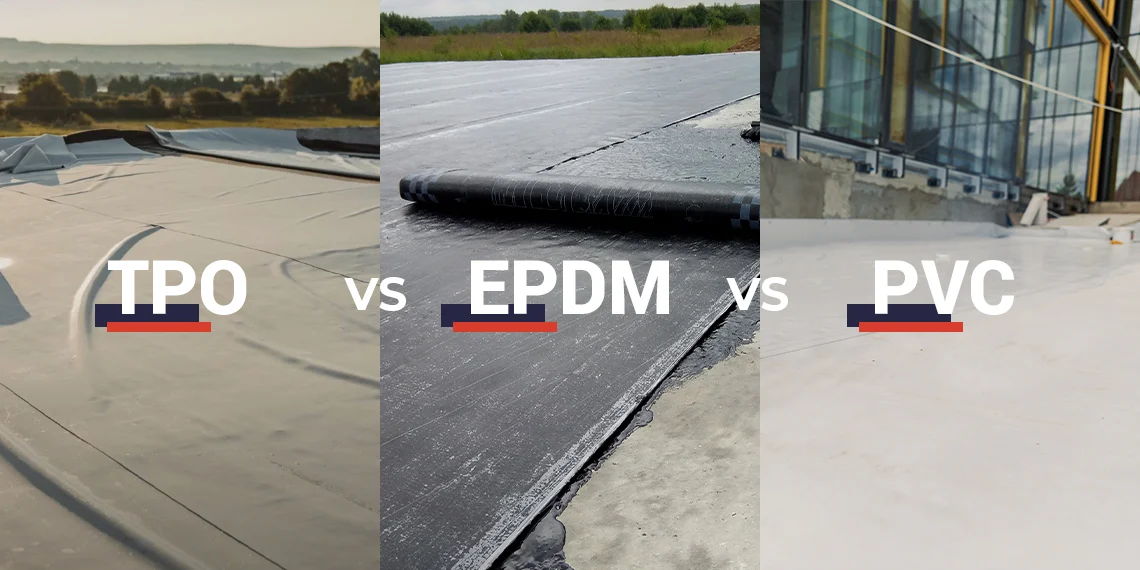
Selecting the right flat roofing material is one of the most important decisions a commercial property owner in Northeast Indiana can make. Indiana’s climate is demanding—heavy snow, fluctuating temperatures, humidity, ice, and rooftop HVAC systems all place significant stress on flat roof membranes. This guide breaks down the four most common commercial flat roofing materials used throughout the region: EPDM, TPO, PVC, and roof coatings.
You’ll learn how each material is made, how they handle Indiana winters, how they perform in heat, which are most energy-efficient, how durable they are under rooftop equipment, what installation differences matter, and which materials fail the fastest. This is your in-depth, keyword-rich “materials pillar blog,” designed as a master resource for Indiana business owners researching flat roofing systems.
Introduction: Why Material Selection Matters in Northeast Indiana
For commercial buildings in Northeast Indiana, the roofing material you choose has a direct impact on energy efficiency, durability, maintenance needs, and long-term repair costs. Our region experiences some of the harshest freeze–thaw cycles in the Midwest, paired with intense summer sun and humidity. These conditions can degrade inferior roofing materials quickly.
Because of this, business owners need more than a basic understanding—they need to know how each roofing membrane behaves under real Indiana weather conditions. EPDM, TPO, PVC, and coatings each offer unique advantages, but they also have weaknesses that may make them less ideal for certain buildings. This guide breaks down everything you need to know so you can make an informed, long-term roofing decision.
EPDM Roofing (Rubber Roofing)
EPDM is one of the most established commercial roofing systems in the country. Known for its rubber-like flexibility, it is especially well-suited for cold climates like Indiana. EPDM membranes come in large sheets ranging from 45 to 90 mil thicknesses, with fewer seams than many other roofing systems.
These large sheet sizes reduce the likelihood of leaks because fewer seams mean fewer potential failure points. EPDM is installed either fully adhered, mechanically fastened, or ballasted, depending on the building's structure and engineering.
What EPDM Is Made Of
EPDM is a synthetic rubber derived from:
Ethylene
Propylene
Diene monomers
This formula creates an extremely flexible and durable membrane designed to withstand wide temperature swings.
How EPDM Handles Indiana Winters
EPDM excels in cold climates. Its elasticity allows it to move naturally with the building during freeze–thaw cycles. Unlike plastic-based membranes, EPDM does not become brittle in severe cold.
Heat vs. Cold Performance
In winter, EPDM performs extremely well, but in summer it can absorb heat due to its dark color. This doesn’t damage the membrane, but it can increase cooling costs for the building.
Reflectivity & Energy Efficiency
Because standard EPDM is black, it is less reflective than TPO or PVC. White EPDM exists but is used less frequently.
Durability Under HVAC Units
EPDM handles vibrations and equipment foot traffic better than most single-ply membranes. It resists punctures and compression well.
Installation Differences
Adhesive-based seams
Mechanically fastened or fully adhered systems
Large rolls reduce seam count
Maintenance Needs
EPDM is easy to repair. Most issues relate to seam adhesive fatigue or punctures from dropped tools or debris.
Cost Per Square Foot
Typical Indiana pricing:
$5.00–$9.00 per sq. ft.
Which Fail the Fastest and Why
EPDM usually fails at seams when adhesives age or when flashing deteriorates. UV exposure can also cause slight surface oxidation over decades.
TPO Roofing
TPO has surged in popularity due to its energy-efficient white surface and relatively low material cost. However, not all TPO is created equal—different manufacturers produce different grades, making installation quality especially important for Indiana businesses.
TPO is a thermoplastic membrane with heat-welded seams. These seams are stronger than adhesive seams, but only when installed with proper welding equipment and a trained crew.
What TPO Is Made Of
TPO typically includes:
Thermoplastic polyolefin
Rubber filler materials
Reinforced polyester scrim layer
The reinforced scrim improves tear resistance and strength.
How TPO Handles Indiana Winters
TPO can perform well in winter, but cheap TPO becomes stiff and brittle in extreme cold. Higher-quality membranes handle freeze–thaw cycles better.
Heat vs. Cold Performance
TPO reflects sunlight extremely effectively, making it excellent in summer. Cold performance depends on membrane quality and weld strength.
Reflectivity & Energy Efficiency
TPO membranes are among the most reflective roofing materials, offering:
Lower cooling bills
Reduced HVAC strain
Better comfort for occupants
Durability Under HVAC Units
TPO must be protected around HVAC curbs and service walkways. While its welds are strong, the membrane can be punctured more easily than PVC.
Installation Differences
All seams are heat-welded
Installation requires precision
Weld integrity depends on temperature settings and crew experience
Maintenance Needs
TPO roofs should be inspected regularly for:
Weld fatigue
Membrane thinning
Punctures
Cost Per Square Foot
Typical Indiana pricing:
$5.50–$10.00 per sq. ft.
Which Fail the Fastest and Why
Cheap TPO membranes degrade much faster—UV radiation, poor welds, or thin material leads to premature cracking.
PVC Roofing
PVC is considered the premium option among single-ply flat roofing systems. Known for its chemical resistance and extremely strong welds, PVC is the go-to material for restaurants, manufacturing facilities, and any building with oils, grease, or industrial exhaust.
What PVC Is Made Of
PVC membranes are composed of:
Polyvinyl chloride
Plasticizers for flexibility
Reinforcement scrim
UV stabilizers
This combination produces a durable, fire-resistant membrane.
How PVC Handles Indiana Winters
PVC handles cold temperatures well. However, over many years, improperly installed PVC may experience shrinkage.
Heat vs. Cold Performance
Heat-welded seams are especially strong, making PVC reliable even in fluctuating temperatures. It remains flexible during hot summers and cold winters.
Reflectivity & Energy Efficiency
PVC is highly reflective, offering excellent energy efficiency similar to TPO but with a longer lifespan on average.
Durability Under HVAC Units
PVC outperforms all other single-plies near HVAC units due to its unmatched chemical resistance.
Installation Differences
Heat-welded seams
Requires skilled installers
Flashing details must be precise
Maintenance Needs
PVC requires minimal maintenance beyond weld inspections and cleaning around HVAC penetrations.
Cost Per Square Foot
Typical Indiana pricing:
$7.00–$12.00 per sq. ft.
Which Fail the Fastest and Why
PVC rarely fails early unless improperly installed. The most common issue is shrinkage due to poor fastening patterns or incorrect installation techniques.
Roof Coatings (Silicone, Acrylic, Elastomeric)
Roof coatings extend the life of an existing flat roof without full replacement. They are a fluid-applied system that cures into a seamless, waterproof surface.
Coatings are ideal for buildings with older roofs that are not failing but need new protection.
What Coatings Are Made Of
Depending on type:
Silicone
Acrylic
Elastomeric polymers
UV-resistant additives
How Coatings Handle Indiana Winters
Silicone coatings handle freeze–thaw cycles well and are extremely effective against ponding water.
Heat vs. Cold Performance
Coatings stay flexible in temperature changes and reflect heat efficiently.
Reflectivity & Energy Efficiency
White silicone coatings can reduce roof surface temperatures by 40–50°F in summer.
Durability Under HVAC Units
Coatings protect underlying membranes but do not add significant puncture resistance.
Installation Differences
Requires deep cleaning
Spray or roller applied
Prep work determines longevity
Maintenance Needs
Coatings may need re-application every 10–15 years depending on thickness and conditions.
Cost Per Square Foot
Typical Indiana pricing:
$2.50–$5.00 per sq. ft.
Which Fail the Fastest and Why
Coatings fail early when applied over wet insulation, dirty surfaces, or failing membranes.
Material Comparison Overview
Feature | EPDM | TPO | PVC | Coatings |
Lifespan | 20–30 yrs | 15–25 yrs | 20–30 yrs | 10–15 yrs |
Energy Efficiency | Low | High | High | High |
Cold Weather Performance | Excellent | Good–Varies | Excellent | Good |
Chemical Resistance | Fair | Fair | Excellent | Fair–Good |
Cost | $$ | $$ | $$$ | $ |
Puncture Resistance | High | Moderate | High | Low |
Conclusion: Choosing the Right Material for Your Indiana Commercial Roof
When it comes to selecting the right flat roofing material for an Indiana business, there is no one-size-fits-all answer. EPDM offers unmatched cold-weather flexibility and long-term durability. TPO delivers high reflectivity and affordability but varies significantly in quality. PVC provides the strongest seams and the best chemical resistance, making it ideal for restaurants and industrial buildings. Roof coatings offer an affordable extension of roof life but require a stable, well-prepared substrate.
The right choice depends on your building’s use, budget, rooftop equipment, energy goals, and the local climate conditions that influence each material’s lifespan. A professional inspection is the best way to determine which roofing system will give your building the best performance and long-term value.
Featured Posts